A piano is unlike almost anything else you’ll ever need to move: extraordinarily heavy, delicately balanced, and often carrying significant sentimental or financial value that makes the stakes of a moving mishap feel especially high. Standard moving crews simply aren’t equipped to handle the unique combination of weight, fragility, and precision a piano demands. Professional piano transport exists specifically to bridge that gap, bringing the specialized equipment and technique needed to move these instruments safely from one location to another.
Why Pianos Require Specialized Moving
Pianos present a genuinely unique moving challenge. A grand piano can weigh anywhere from 500 to over 1,200 pounds depending on size, while even a standard upright typically weighs 300 to 500 pounds, all concentrated in an awkward, top-heavy shape that doesn’t distribute weight the way furniture does. Beyond sheer weight, pianos contain thousands of precisely calibrated internal components that can be knocked out of alignment by improper handling, tilting, or vibration during transport. This combination is exactly why specialized piano moving requires training and equipment that a general moving crew typically doesn’t have.
Grand Piano Moving Service
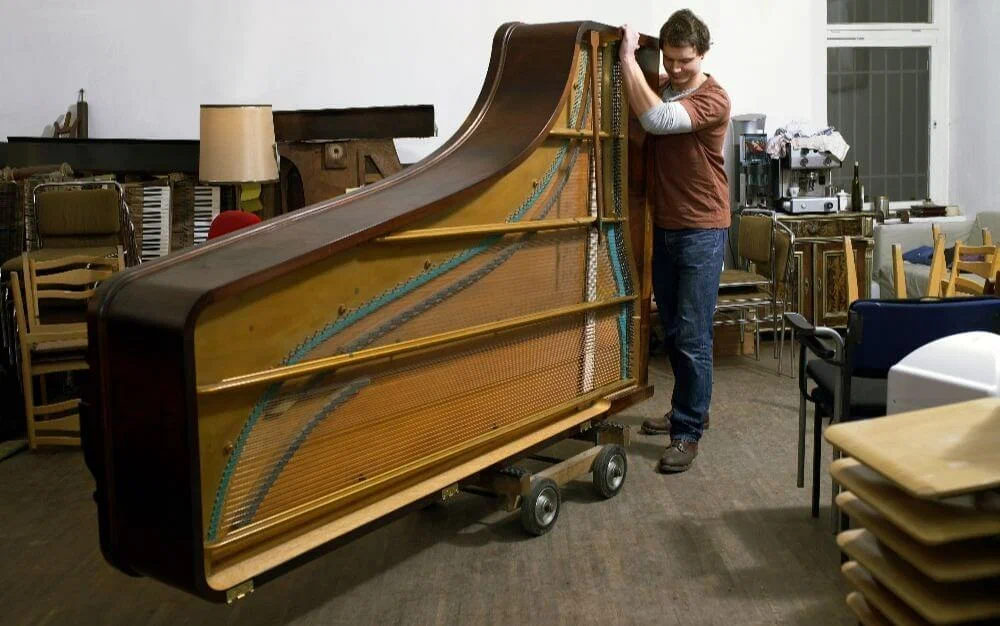
A grand piano moving service addresses one of the more complex challenges in the piano transport world. Grand pianos require careful disassembly of the legs and lyre (the pedal assembly), followed by the piano being carefully tilted onto a specialized skid board for transport. This process demands both technical knowledge of the instrument’s construction and physical technique to manage the piece safely, since an improperly executed tilt can cause internal damage or even tip the piano entirely.
Upright Piano Transport
Upright piano transport presents a different set of challenges than grand pianos, though it’s no less demanding. While uprights don’t require the same disassembly process, their tall, narrow profile makes them prone to tipping if not properly secured, and their weight is concentrated in a way that requires specific dolly and strapping techniques to move safely, particularly through doorways, hallways, and staircases.
Digital vs Acoustic Piano Moving
The digital vs acoustic piano moving distinction matters for both technique and cost. Digital pianos are generally lighter and don’t contain the same delicate internal mechanisms as acoustic instruments, making them somewhat easier to transport, though they still benefit from careful handling given their electronic components and often significant value. Acoustic pianos, both grand and upright, require the full specialized approach given their weight, internal complexity, and sensitivity to environmental changes during transport.
Piano Moving Equipment and Dollies
Professional movers rely on purpose-built piano moving equipment and dollies designed specifically for the unique weight distribution and shape of pianos. This includes heavy-duty piano dollies (also called piano skids) with the load capacity to support hundreds of pounds, specialized straps and rigging for controlled lifting and tilting, and padding or blankets to protect the piano’s finish throughout the move. This equipment allows movers to control the piano’s movement precisely, rather than relying on manual strength alone.
Piano Moving Stairs and Tight Spaces
Basements, upper floors, and older homes with narrow staircases make piano moving stairs and tight spaces one of the most technically demanding aspects of the job. Experienced movers plan the route, measuring doorways, hallways, and stairwells to determine whether the piano needs additional disassembly or specific maneuvering techniques to navigate safely. This kind of careful pre-move planning is exactly what separates a smooth piano relocation from one that risks damage to the instrument or the property itself.
The Piano Moving Crew and Rigging Process
A properly staffed piano moving crew and rigging setup typically involves multiple movers working in close coordination, since safely lifting and maneuvering a piano requires more hands than most furniture moves. Rigging equipment like straps and, for particularly difficult moves, winches or hoists, allows the crew to maintain control throughout the process, distributing the piano’s weight safely rather than attempting to force it through tight spaces using strength alone.
Local vs Interstate Piano Transport
Local Piano Moving Considerations
For moves within the same city or region, local vs interstate piano transport considerations are generally more straightforward, with movers typically able to complete the relocation within a single day using specialized local moving equipment.
Long-Distance Piano Transport
Long-distance piano transport introduces additional considerations, including how the piano will be secured during extended transit, climate control during transport (particularly important for acoustic pianos sensitive to temperature and humidity swings), and coordination of pickup and delivery timing across a longer logistical chain. Interstate moves may also involve different regulatory and insurance considerations than local relocations.
Piano Moving for Events and Venues
Beyond residential relocations, piano moving for events and venues serves a different but equally demanding need: transporting pianos for concerts, recitals, weddings, or other events where the instrument needs to arrive safely and be properly positioned within a specific timeframe. This category of piano moving often requires tighter scheduling coordination and, in some cases, temporary setup and tuning services to ensure the instrument is performance-ready upon arrival.
White Glove Piano Moving Service
For particularly valuable or sentimental instruments, a white glove piano moving service offers an elevated level of care throughout the entire process, from careful protective wrapping and padding to meticulous handling at every step, along with clear communication throughout the move. This premium service tier is often chosen for antique pianos, high-value instruments, or moves where the owner wants maximum peace of mind throughout the process.
Piano Storage Solutions
Sometimes a piano move doesn’t happen in one seamless step. Piano storage solutions address situations where there’s a gap between moving out of one location and into another, or when downsizing means a piano needs to be stored temporarily. Proper piano storage requires climate-controlled conditions to protect the instrument from humidity and temperature swings that can affect tuning stability and, over time, the instrument’s structural integrity.
Piano Moving Preparation Tips
A few piano moving preparation tips can help the process go smoothly:
- Measure doorways, hallways, and stairwells in advance and communicate any tight spots to your moving company
- Remove any decorative items, sheet music, or accessories from on top of or inside the piano before the move
- Confirm the piano’s exact weight and dimensions with the moving company ahead of time for accurate equipment planning
- Plan for the piano to need re-tuning after the move, particularly for longer-distance relocations
Piano Tuning After Transport
Piano tuning after transport is an important final step that’s easy to overlook amid the logistics of the move itself. Changes in humidity, temperature, and even the vibration of transport itself can affect a piano’s tuning, meaning most acoustic pianos benefit from professional tuning shortly after arriving at their new location, ideally after the instrument has had time to acclimate to the new environment’s climate conditions.
Understanding Piano Moving Cost Estimate
A piano moving cost estimate depends on several factors:
- Piano type and size (grand pianos typically cost more to move than uprights, given the disassembly required)
- Distance, whether local or long-distance transport
- Complexity of the move, including stairs, tight spaces, or difficult access points
- Whether white glove or standard service level is selected
- Additional services like storage or post-move tuning coordination
A trustworthy piano moving company will assess these specifics often through photos or an in-person walkthrough, before providing a firm quote, rather than a generic flat rate that doesn’t account for your specific situation.
Piano Moving Insurance and Liability
Given both the value and fragility of most pianos, confirming piano moving insurance and liability coverage before booking is essential. Ask specifically about coverage for damage to the piano itself, as well as coverage for any damage to your property during the move. A reputable company will provide this information clearly and in writing before the move begins.
Choosing the Right Piano Moving Company
When searching for piano movers near me, look for:
- Specific experience with your piano type, whether grand, upright, or digital
- Proper equipment designed specifically for piano transport
- Clear insurance and liability coverage, provided in writing
- Positive reviews mentioning careful handling and professionalism
- Transparent, itemized estimates based on an actual assessment of your move
Final Thoughts
A piano often represents more than just a large, heavy object; it’s frequently an instrument with real sentimental or financial value that deserves the same level of care it took to create. Whether you’re relocating a grand piano across town, transporting an upright piano to a new home long-distance, or arranging piano moving for an event, working with a professional piano transport company ensures the instrument arrives safely, without unnecessary risk to the piano or your property. If you’re planning a piano move, reach out to a trusted local piano moving company today for an assessment and a detailed estimate.
Frequently Asked Questions
How much does it cost to move a piano? Cost depends on the piano type, distance, and complexity of the move, including stairs or tight spaces. Most companies provide a firm quote after assessing photos or performing an in-person walkthrough.
Can I move a piano myself with rented equipment? It’s strongly discouraged given the weight, balance, and fragility involved. Professional movers use specialized equipment and technique that significantly reduce the risk of injury or damage compared to a DIY approach.
Does a piano need to be re-tuned after moving? Yes, most acoustic pianos benefit from professional tuning after a move, since changes in humidity, temperature, and transport vibration can affect tuning stability. It’s best to allow the piano to acclimate to its new environment before tuning.
How is a grand piano different to move compared to an upright? Grand pianos require partial disassembly, including removing the legs and lyre, and are tilted onto a specialized skid board for transport, while upright pianos are moved upright using dollies and straps designed for their narrower, taller shape.
Is piano moving insurance included, or do I need to purchase it separately? Coverage varies by company, so it’s important to ask specifically about what’s included for both the piano itself and your property, and to get this information in writing before the move.