A gun safe is one of the heaviest, most awkward items in any home — and also one of the most important to protect. Between the dense steel construction and the valuables locked inside, moving one wrong can lead to serious injury, property damage, or a compromised safe. That’s why secure gun safe moving isn’t something to hand off to a general moving crew. It calls for a team that specializes in the weight, balance, and handling challenges unique to gun safes.
Whether you’re relocating across town or just to another room, here’s what to know before booking a gun safe moving service.
Why Gun Safes Are So Difficult to Move
Gun safes are built to resist fire, forced entry, and tampering — which means thick steel walls, heavy internal insulation, and a weight that can easily exceed 400 to 1,000+ pounds depending on size. Unlike furniture, that weight isn’t evenly distributed, making the safe prone to tipping if it’s not handled correctly.
This combination of extreme weight and top-heavy design is exactly why heavy gun safe transport requires specialized equipment and trained personnel rather than a standard two-person moving crew.
The Equipment Behind a Safe Gun Move
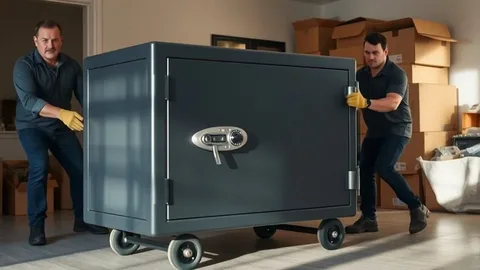
Professional movers rely on purpose-built tools to move gun safes without injury or damage. Common gun safe moving equipment includes:
- Heavy-rated safe dollies designed to support hundreds or thousands of pounds
- Gun safe moving dolly and straps systems for stabilizing the safe during transport
- Stair-climbing hand trucks for multi-level homes
- Rigging straps and winches for controlled lifting in tight or elevated spaces
- Ramps and skid plates for safely loading onto a truck
This equipment allows the safe moving crew and rigging setup to control the safe’s movement at every step, rather than relying on manual strength alone — which is where most accidents happen.
Navigating Stairs and Tight Spaces
Basements and upper-floor gun rooms are extremely common, which makes gun safe stair moving one of the most technically demanding parts of the job. Movers typically:
- Measure stairwells, hallways, and doorways in advance to plan the safest route
- Determine whether the safe needs to be tilted, walked, or winched
- Use stair-climbing equipment to control speed and prevent runaway momentum
- Protect walls, railings, and flooring throughout the process
Tight-space gun safe moving situations — like narrow closets, low ceilings, or sharp hallway turns — often require partial disassembly or careful maneuvering that only comes with hands-on experience.
Gun Safe Disassembly and Setup
For extremely large or hard-to-access safes, gun safe disassembly and setup may be necessary. This can involve removing external components like the door or shelving to reduce weight and bulk before the move, then reassembling everything once the safe reaches its new location. This step requires technical know-how, since improper reassembly can affect the safe’s locking mechanism or fire-resistant seal.
Fireproof Considerations
Many gun safes double as fire protection for firearms and important documents. Fireproof gun safe relocation requires extra care, since the fire-resistant insulation inside the safe’s walls can be damaged by dropping, excessive tilting, or rough handling — potentially compromising the very protection you’re relying on. Experienced movers know how to keep the safe upright and stable throughout the process to preserve this protection.
Residential vs Commercial Gun Safe Moving
Gun safe relocation needs differ depending on the setting.
Residential gun safe moving typically involves navigating household stairs, hallways, and doorways, often in tighter spaces than commercial buildings.
Commercial gun safe transport — for gun shops, shooting ranges, or law enforcement facilities — may involve larger or multiple safes, loading docks, and additional security protocols given the scale and sensitivity of the inventory involved.
What Affects Gun Safe Moving Cost
Gun safe moving cost depends on a handful of factors:
- The safe’s weight and size (larger gun safe transport jobs require more equipment and manpower)
- Distance between the pickup and drop-off locations
- Number of stairs, doorway widths, and tight turns involved
- Whether disassembly and reassembly are needed
- Any additional site prep, like protecting flooring or removing doors
A reliable company will typically ask for photos or perform a walkthrough before providing a firm estimate, rather than a generic flat rate.
Insurance and Liability Protection
Given both the value of the safe and its contents, gun safe insurance during move coverage matters. Before booking, ask about:
- Coverage for damage to the safe itself
- Coverage for damage to your home or property during the move
- Whether firearms or valuables should be removed beforehand for liability reasons
Clear gun safe moving liability terms, provided in writing, protect both you and the moving company if something unexpected happens.
Placement and Installation After the Move
The job isn’t complete once the safe arrives. Proper gun safe placement and installation includes leveling the safe and, in many cases, anchoring it to the floor or wall studs. Anchoring adds a critical layer of security, making the safe far harder to tip over or remove entirely — an important consideration for both safety and theft prevention.
Finding the Right Gun Safe Movers
When searching for gun safe relocation near me, prioritize companies that list gun safes as a specific specialty rather than a general “heavy item” they occasionally handle. Look for:
- Experience specifically with gun safes of similar size and weight
- Proper equipment for your home’s layout (stairs, narrow hallways, etc.)
- Transparent insurance and liability coverage
- Clear, itemized quotes based on an actual walkthrough or photos
Professional gun safe movers and dedicated gun safe moving specialists bring the training and equipment needed to handle these unique challenges safely — protecting your home, your safe, and everyone involved in the move.
Frequently Asked Questions
How much does it cost to move a gun safe? Cost varies based on the safe’s weight, distance traveled, and the complexity of the move — including stairs, tight turns, or disassembly needs. Most companies provide a firm quote after reviewing photos or an in-person walkthrough.
Can I move a gun safe by myself? Small, lightweight gun safes on a single level may be manageable with rented equipment, but most gun safes weigh several hundred pounds or more. Professional movers are strongly recommended to avoid injury or damage.
Do I need to empty my gun safe before moving it? Yes, most movers recommend removing firearms and valuables beforehand. This reduces weight, protects your belongings, and simplifies liability coverage during the move.
How do movers get a gun safe up or down stairs? Movers use stair-climbing hand trucks, rigging straps, and sometimes winches to keep the safe stable and under control, preventing dangerous shifts in weight or momentum.
Will moving damage my gun safe’s fireproof rating? It can, if handled improperly. Excessive tilting or dropping can damage the internal fire-resistant insulation, which is why experienced movers take extra care to keep the safe upright and stable throughout the move.
Can movers install and anchor my gun safe after delivery? Many specialized gun safe movers offer placement and anchoring services, securing the safe to the floor or wall studs for added stability and theft resistance.
Final Thoughts
A gun safe protects what matters most to you, so it deserves the same level of care when it’s time to move. From navigating tight stairwells to preserving fireproof insulation, secure gun safe moving requires specialized equipment, technical skill, and careful planning that a standard moving crew simply isn’t built for.
Planning a gun safe relocation? Reach out to a trusted local specialist for an assessment and a clear, upfront quote.